Understanding the House Edge
The house edge is a fundamental concept that every casino patron should grasp before stepping onto the gaming floor. This percentage represents the casino’s advantage over players, ensuring that the establishment remains profitable over time. For example, in games like slots, the house edge can be as high as 10% or more, whereas table games such as blackjack often have a lower edge, sometimes as low as 1% when played with optimal strategy. Additionally, many players enjoy exploring online casino real money nz options, as this discrepancy is crucial for players to comprehend, as it directly influences their probability of winning over extended play sessions.
Understanding the workings of the house edge not only helps players make informed decisions but also serves as a reality check regarding their expectations. If a game has a house edge of 5%, players can expect to lose an average of $5 for every $100 wagered in the long run. This expectation can lead to a more measured approach to gambling, as players come to terms with the fact that luck can fluctuate in the short term but the house advantage remains constant over time.
Furthermore, players should recognize that while certain games may present a higher house edge, skill-based games offer opportunities for players to exert some influence over the outcome. For instance, in poker, the competition is against other players rather than the casino, which changes the dynamics significantly. By understanding these game mechanics, players can better manage their risks and align their strategies with their gaming preferences, ultimately leading to a more enjoyable experience.
Can Skill Reduce the House Edge?
In the realm of casino gaming, skill can indeed play a pivotal role in mitigating the house edge, particularly in games like blackjack and poker. For instance, card counting is a well-known technique in blackjack that, when executed correctly, can shift the odds slightly in favor of the player. This strategy involves tracking the ratio of high to low cards remaining in the deck, allowing players to adjust their bets accordingly. While this method requires practice and concentration, skilled card counters can create opportunities that make the game more favorable for themselves.
Moreover, mastering the basic strategies for various games can enhance a player’s chances of winning significantly. In poker, for example, understanding when to fold, call, or raise based on the strength of one’s hand and the tendencies of opponents can lead to better outcomes. Players who dedicate time to learning these strategies often find themselves outperforming those who rely solely on luck, thereby improving their overall gaming experience and financial returns.
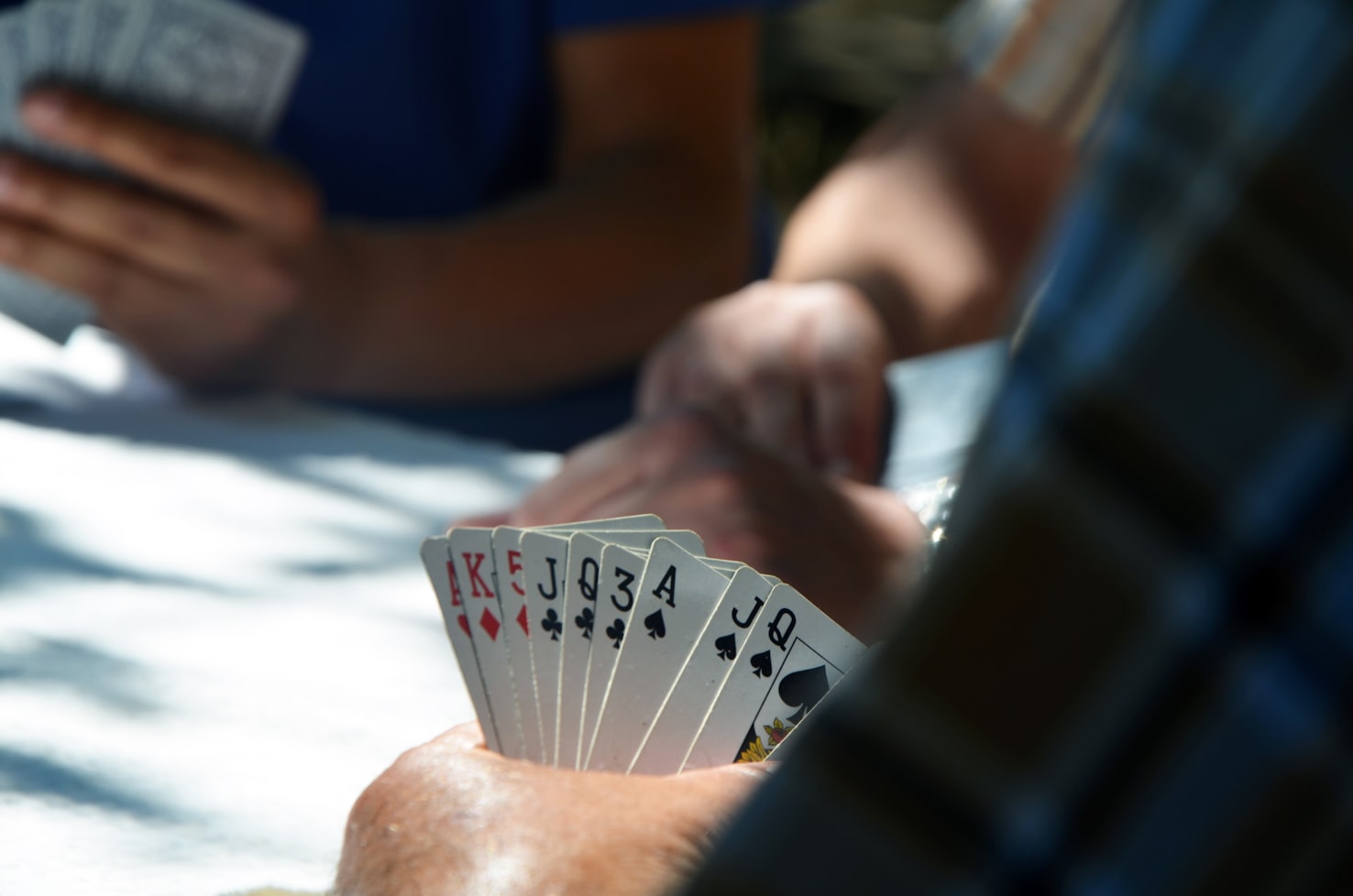
However, it is vital to understand that while skill can influence outcomes in these games, the house edge is not eradicated entirely. Even the most skilled players will encounter losses over time due to the inherent advantage that casinos maintain. Nevertheless, players who invest in learning the nuances of their chosen games can prolong their enjoyment and potentially increase their chances of winning, demonstrating that skill does have a tangible impact on gameplay.
The Role of Luck in Casino Games
Luck remains a central element in the gambling experience, especially in games of pure chance such as roulette, slots, and craps. Unlike skill-based games where decisions can alter the outcome, games of chance are determined by random events, making it virtually impossible for players to influence results strategically. This unpredictability is part of what makes casinos exciting and draws players in, as the thrill of unexpectedly hitting a jackpot can be exhilarating.
The concept of variance is also key in understanding luck in casino games. Players can experience wild swings, with winning streaks leading to high spirits one moment, and losing streaks leading to frustration the next. While bankroll management strategies can help players endure these fluctuations, the reality remains that, due to the house edge, losses will accumulate over time. Recognizing this can help players approach gambling with a healthier mindset, reducing the potential for emotional stress related to losses.
Despite the odds often being stacked against players in games of chance, there are still remarkable stories of individuals who experience life-altering wins. The allure of hitting a significant payout on a slot machine or triumphing in a high-stakes poker game adds to the excitement of casino gaming. These instances serve as a reminder that while the house edge is a constant, the potential for substantial wins always exists, enhancing the overall appeal of participating in casino games.
Bankroll Management Strategies
Effective bankroll management is essential for anyone looking to participate in casino games without falling prey to financial pitfalls. Players should allocate a specific amount of money for gambling, ensuring they only wager what they can afford to lose. Setting a budget is the first step toward responsible gaming, allowing individuals to enjoy their time at the casino without jeopardizing their financial stability. This discipline is crucial for maintaining a healthy relationship with gambling, which is fundamentally entertainment.
Additionally, players should be mindful of how they spend their bankroll over time. Spreading out play can help manage the financial impact associated with the house edge. By pacing their bets and extending their gameplay, players can enjoy the entertainment value of their investment for a longer period. Establishing win and loss limits is another effective strategy for maintaining control, preventing emotional decision-making that can lead to larger, avoidable losses.
While bankroll management cannot eliminate the house edge, it can significantly enhance a player’s overall experience. By practicing sound financial strategies, players can make more informed decisions, potentially minimizing losses and allowing for moments of success. Understanding that gambling is primarily for enjoyment rather than a reliable source of income can lead to a more fulfilling and responsible gaming experience.
Conclusion & Responsible Gaming Awareness
Ultimately, trying to beat the house edge in a casino involves understanding the nature of the games and employing various strategies rather than relying on the expectation of consistent wins. Players must acknowledge that every game has a built-in advantage for the casino that cannot be completely overcome. Embracing responsible gaming practices—like setting financial limits, recognizing potential risks, and focusing on enjoyment—are crucial components of navigating the casino landscape effectively.
The goal of gambling should be to enjoy the experience rather than to seek profit. Players who adopt this mindset and engage in responsible gaming are likely to have a more positive and satisfying experience. Additionally, should gambling become problematic, seeking support is vital; numerous resources are available for those in need, promoting healthier engagement with the gaming environment.
For anyone considering a visit to a casino or participating in online gaming, the focus should be on enjoyment and responsible practices. By understanding the house edge, recognizing the roles of skill and luck, and practicing smart bankroll management, players can achieve a rewarding and entertaining experience that balances excitement with financial prudence.